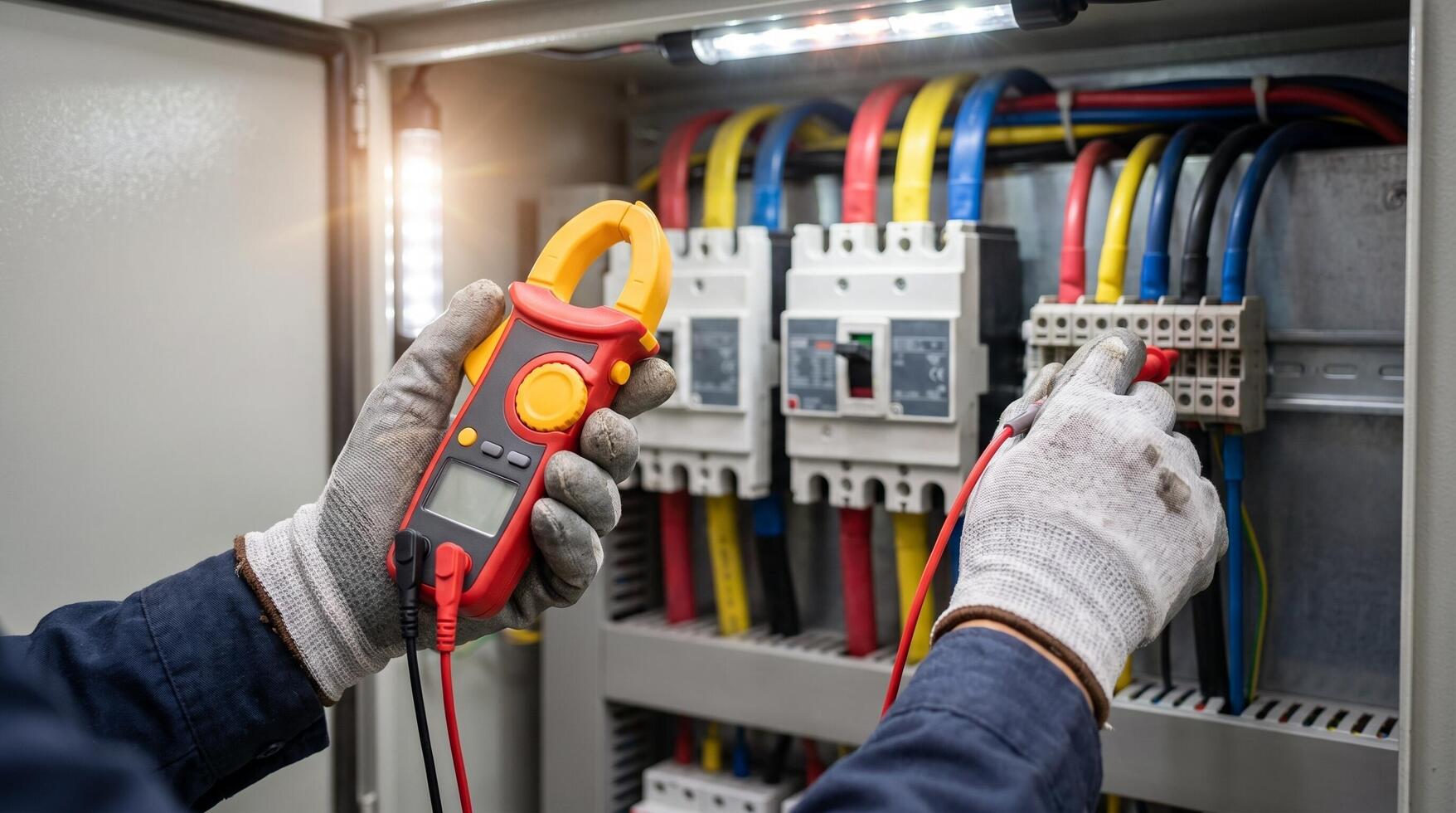
Starting an electrical contracting business requires proper registration and legal approval. An electrical contractor license allows businesses to undertake electrical installation, maintenance, and related electrical work within permitted limits.
However, many contractors face confusion about Electrical Contractor License fees and documents. They often struggle to understand application requirements, eligibility conditions, government charges, and approval procedures.
The licensing process can differ between states and licensing authorities. Each state may follow different rules for contractor registration, supervisor approval, and electrical worker permits. Understanding these requirements before applying can save time and prevent unnecessary application delays.
Samaksh Associate provides professional guidance for electrical contractor licensing and related registration services. With 15+ years of experience, the company helps applicants understand documentation, licensing procedures, and compliance requirements. Our focus remains on providing trusted support throughout the application process.
What Is an Electrical Contractor License?
An electrical contractor license is an official approval issued by the concerned state authority. It allows an eligible person or business to undertake permitted electrical contracting activities.
These activities may include:
- Electrical wiring and installation work.
- Electrical maintenance and repair services.
- Commercial building electrical installations.
- Industrial electrical installation projects.
- Electrical panel installation and maintenance.
- Electrical testing and inspection work.
- Electrical infrastructure-related contracting work.
The license confirms that the contractor meets the required technical and safety conditions. It also helps clients verify the contractor’s professional authorization. The licensing authority may require qualified electrical supervisors and electricians. It may also check testing equipment, business premises, and supporting documents.
Important: An electrical contractor license is different from an electrician certificate. An electrician certificate confirms an individual’s competency. A contractor license authorizes an eligible business or person to undertake contracting work.
Electrical Contractor License Fees in India
Electrical contractor license fees depend on the state and licensing authority. There is no single fixed government fee applicable throughout India. Different states follow different application procedures and fee structures. The applicant should check the latest notification before submitting the application. For example, Delhi has published specific government charges for electrical contractor licensing.
Other Costs Applicants Should Consider
The government application fee is not always the complete licensing expense. Applicants may also need to arrange additional resources.
These expenses can include:
- Testing instruments: Contractors need suitable instruments for electrical testing and installation work.
- Document preparation: Applicants may incur expenses for photocopies, attestations, and document verification.
- Business premises: Some authorities require proof of an office or business address.
- Technical staff: Qualified supervisors and electricians may need to be employed or engaged.
- Professional assistance: Applicants may choose professional help for documentation and application procedures.
These costs depend on the applicant’s business structure and state requirements. Therefore, prepare a complete budget before starting the application.
Electrical Contractor License Documents Required
Submitting the correct paperwork is one of the most important parts of licensing. Missing documents can delay verification or lead to application objections. The exact requirements depend on the state authority. However, applicants should prepare the following documents where applicable.
1. Identity Proof
The applicant must provide valid identity proof. Authorities use this document to verify the applicant’s personal details.
Commonly accepted documents include:
- Aadhaar Card
- Voter ID Card
- Passport
- Driving Licence
The accepted identity documents may differ between states.
2. Address Proof
Address proof establishes the applicant’s residential or business location. Some licensing authorities require residence within their jurisdiction. Applicants may provide Aadhaar, a voter card, a passport, or another accepted address document.
3. Business Registration Documents
Businesses applying through a partnership or company may need additional registration documents.
These documents can include:
- Partnership deed.
- Certificate of incorporation.
- Company registration details.
- Business authorization letter.
- Details of authorized representatives.
The applicant should submit documents matching the business’s legal structure.
4. Electrical Supervisor Certificate
An electrical supervisor certificate proves that the appointed supervisor has the required technical competency. Some states require a qualified supervisor for electrical contracting activities. The applicant may need to submit the supervisor’s competency certificate and engagement details.
5. Electrician Certificate or Workmen Permit
Electrical workers must meet the applicable qualification and competency requirements. Authorities may request electrician certificates or workmen permits. These documents help establish that trained personnel will perform electrical work.
6. Testing Equipment Details
Electrical contractors need suitable instruments for testing electrical installations. The licensing authority may ask for equipment details and supporting purchase documents.
Common testing instruments include:
- Insulation resistance tester or megger.
- Voltmeter.
- Multimeter.
- Continuity tester.
- Other approved electrical testing instruments.
The required instruments depend on the permitted work category and state rules.
7. Office or Business Address Proof
Some authorities require evidence of an established business premises. Applicants may submit a rent agreement, ownership document, or electricity bill. The authority may also ask for additional premises-related documents.
8. Undertaking and Authorization Letter
An undertaking confirms that the applicant will follow the licensing conditions. It may also confirm the availability of qualified technical staff and testing equipment. Partnership firms and companies may need an authorization letter. This letter identifies the person authorized to submit and manage the application.
9. Government Fee Payment Receipt
Applicants must pay the prescribed government fee. They should keep the treasury challan or online payment receipt. The payment receipt serves as proof of fee submission during application verification.
Delhi’s published requirements specifically mention residence proof, technical staffing and equipment undertakings, business authorization where applicable, and payment proof.
Eligibility Criteria for an Electrical Contractor License
Applicants must satisfy the conditions established by their state licensing authority. These conditions help maintain technical standards and electrical safety.
Common eligibility requirements include:
- The applicant must meet the applicable age and residency conditions.
- The business must have valid supporting registration documents where required.
- Qualified electrical supervisors must be available.
- Eligible electricians or workmen must be engaged.
- Required testing instruments must be available.
- The applicant must submit the prescribed application form.
- Government fees must be paid according to the applicable rules.
Some states also prescribe specific technical qualifications and experience requirements. Applicants should confirm their eligibility before arranging the complete application file.
How to Apply for an Electrical Contractor License in 2026
The application process involves several steps. Applicants should complete each step carefully to avoid unnecessary delays.
Step 1: Check State Licensing Requirements
First, identify the authority responsible for issuing electrical contractor licenses in your state. Check the eligibility conditions, application forms, fees, and technical requirements. Do not rely on another state’s licensing rules.
Step 2: Arrange the Required Documents
Prepare identity proof, address proof, business documents, and technical certificates. Arrange the supervisor’s certificate and electrician credentials where required. Also, collect testing equipment details and purchase receipts.
Step 3: Complete the Application Form
Visit the concerned licensing department’s official website or application portal. Fill in the applicant’s details, business information, and technical staff information. Check every entry before submitting the form.
Step 4: Pay the Government Application Fee
Pay the prescribed licensing fee through the approved payment method. Depending on the state, payment may involve online transactions or treasury challans. Keep the payment receipt for future reference.
Step 5: Submit the Application
Upload the required documents or submit them through the prescribed process. Make sure all supporting documents are clear and readable. Incomplete information can create problems during verification.
Step 6: Complete Document Verification
The licensing authority reviews the application and supporting documents. Officials may request additional information or clarification. Applicants should respond quickly to such requests.
Step 7: Receive the Electrical Contractor License
After successful verification and approval, the authority issues the license. The contractor should check the license details carefully. Keep the approved license available for future projects and official inspections.
For Delhi applicants, the Labour Department provides an online application service. Its published service timeline lists seven days for granting the license, subject to document verification and applicable exclusions.
Electrical Contractor License Renewal Process
Obtaining a license is not the final responsibility. Contractors must also follow renewal conditions and maintain their eligibility. The renewal process helps authorities verify continued compliance with licensing requirements.
Here are the important renewal steps:
- Check the license expiry date and renewal conditions.
- Obtain the prescribed renewal application form.
- Prepare updated business and technical staff details.
- Arrange the required supporting documents.
- Pay the applicable renewal fee.
- Submit the application through the authorized department.
- Complete verification and obtain the renewed license.
For Delhi, the published rules provide an initial validity of 25 years. The license requires renewal every ten years thereafter, with a published renewal fee of ₹2,500.
Common Mistakes to Avoid During License Application
Many applicants experience delays because of avoidable documentation mistakes. Understanding these mistakes can make the application process easier.
- Submitting Incomplete Documents
Missing certificates or payment receipts can create verification problems. Always prepare the document checklist before applying.
- Providing Incorrect Business Information
Incorrect business names, addresses, or applicant details can create inconsistencies. Keep all submitted information consistent with official records.
- Ignoring Technical Requirements
Some applicants arrange business documents but overlook technical staffing and testing equipment. Check these requirements before submitting your application.
- Paying the Wrong Government Fee
Government charges can change through official notifications. Always verify the latest fee schedule with the concerned department.
- Ignoring License Renewal
An expired license can affect business operations and project eligibility. Track renewal dates and follow the applicable renewal procedure.
Why Choose Samaksh Associate for Electrical Contractor Licensing?
Electrical contractor licensing involves documentation, technical requirements, and government procedures. Applicants may need professional guidance to understand these requirements correctly. Samaksh Associate offers professional assistance for electrical contractor license applications and related registration requirements.
With 15+ years of experience, the company understands the importance of accurate documentation and proper application preparation. Here is how professional assistance can help:
- Understanding applicable licensing requirements.
- Preparing the required document checklist.
- Guidance on application forms and procedures.
- Assistance with understanding government fee requirements.
- Support with documentation-related queries.
- Guidance regarding renewal requirements.
- Help understanding state-specific licensing conditions.
Samaksh Associate focuses on providing trusted assistance and clear guidance. Applicants can discuss their requirements before starting the licensing process.
Conclusion
Obtaining an electrical contractor license requires proper planning, accurate documents, and knowledge of government regulations. Applicants should understand electrical contractor license fees and documents before starting their applications.
Every state follows its own licensing requirements. Therefore, checking the applicable rules can prevent documentation errors and unnecessary delays. Whether you are starting an electrical contracting business or expanding existing operations, proper licensing is essential.
Samaksh Associate, with 15+ years of experience, provides trusted guidance for electrical contractor licensing and related documentation. The company focuses on helping applicants understand licensing procedures and prepare their applications correctly.
Choose professional guidance to make your electrical contractor licensing journey more organised and straightforward.
Frequently Asked Questions (FAQs)
1. What are electrical contractor license fees in India?
Electrical contractor license fees vary between states. Each licensing authority follows its own fee structure. Applicants should check the latest government notification before making payment.
2. What documents are required for an electrical contractor license?
Common documents include identity proof, address proof, business registration documents, supervisor certificates, electrician credentials, equipment details, undertakings, and government payment receipts.
3. Can an individual apply for an electrical contractor license?
Yes, individuals can apply where the state rules permit individual applications. They must satisfy the prescribed eligibility, technical staffing, and equipment requirements.
4. Is an electrical supervisor certificate compulsory?
Some state authorities require a qualified electrical supervisor. The applicant must check the applicable licensing conditions before submitting the application.
5. How long does an electrical contractor license take?
Processing time depends on the state and document verification process. Delhi publishes a seven-day service timeline for this application, subject to applicable conditions.